
L.W Cristata – Lophophora williamsii f. cristata (Crested Peyote Cactus)
Most collectors spend years hunting for a specimen worth keeping long-term.
Something that doesn’t look like everything else on the shelf.
Something that genuinely stops people mid-stride.
4 The *Lophophora williamsii* cristata — commonly called the crested peyote cactus — is a unique and highly sought-after form of the peyote cactus, known for its distinctive fan-shaped or brain-like growth pattern.This isn’t just another cactus.
It’s one of the most unusual mutation forms in the entire cactus world — and the reason serious collectors go out of their way to find one.
What Makes the L.W Cristata (Lophophora williamsii f. cristata) Different
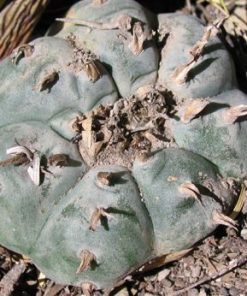
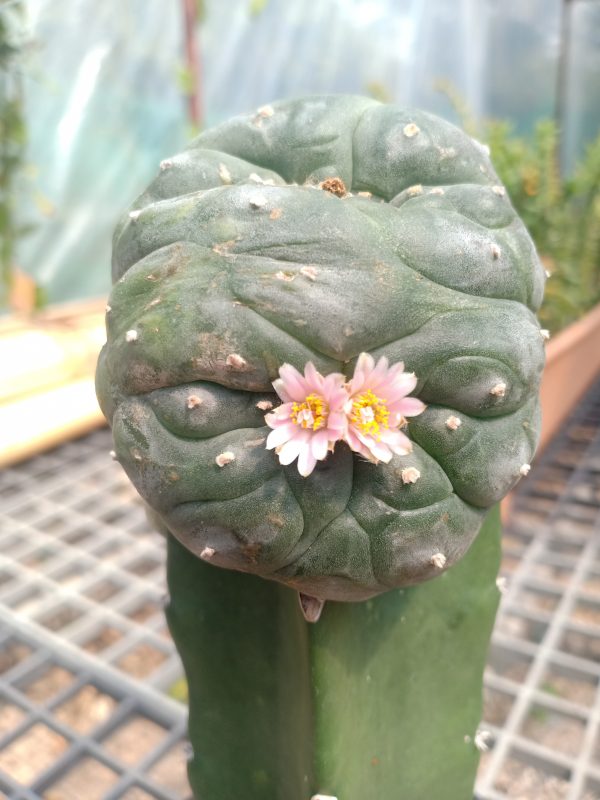
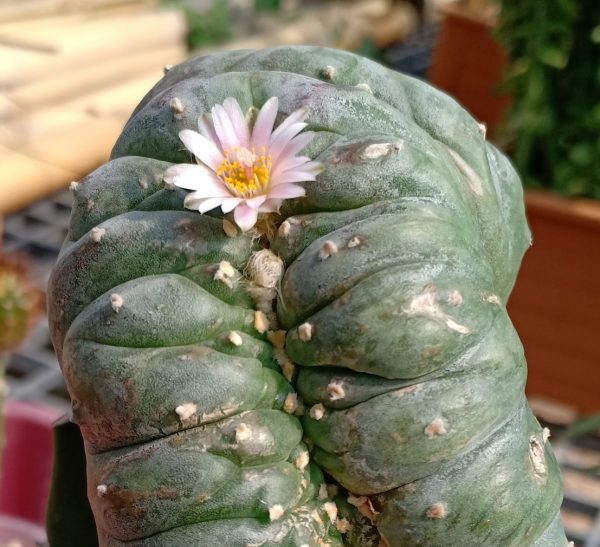
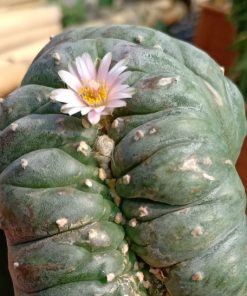
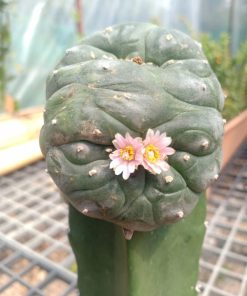
2 The *Lophophora williamsii* f. cristata is a rare crested form of the legendary peyote cactus, treasured by collectors for its unusual growth patterns and cultural significance.Unlike the standard, button-like peyote, this cristate form develops fan-shaped, undulating crests that create striking, sculptural displays.
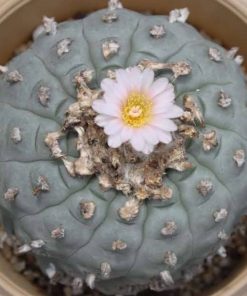
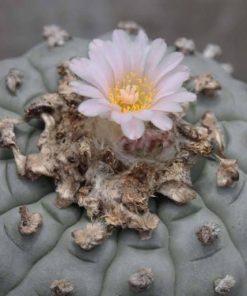
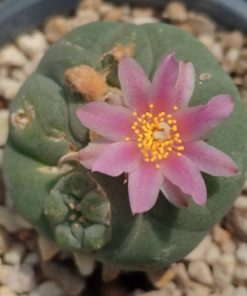
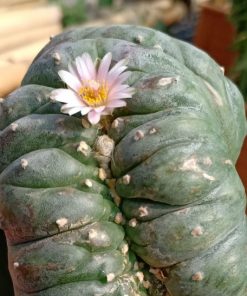
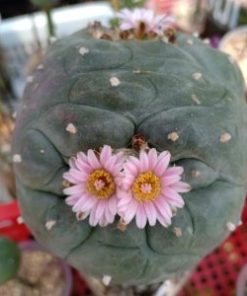
2 Its soft blue-green skin, woolly tufts, and occasional pink blossoms make it one of the most fascinating and highly coveted cactus mutations. 8 The chances of regular *Lophophora williamsii* seeds producing a crested offspring are 1 in 10,000 — making this growth form genuinely rare.That’s not marketing language.
That’s just the biology.
What the Crest Actually Looks Like
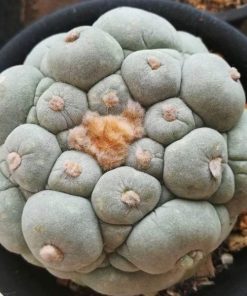
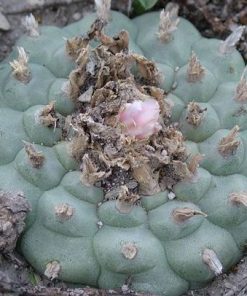
3 Beyond the standard species and varieties, there exists an impressive array of cristates which form nicely contorted and convoluted brain-like mounds.They are some of the more striking and prized crested cacti. Each specimen shows a different crested shape — every one has its own particular fascination.
- No two specimens are identical — the crest shape on yours will never be replicated
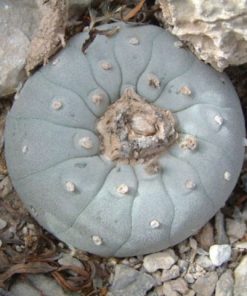
- Colour: Soft blue-green to glaucous grey-green body
- Woolly areoles along the crest ridges
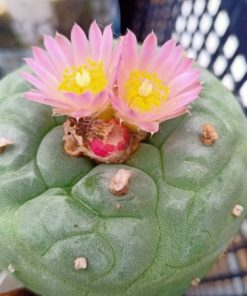
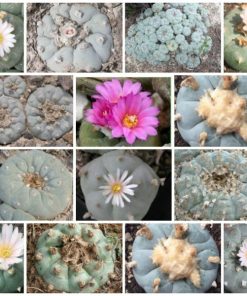
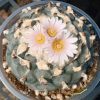
- Pink flowers may appear when conditions are right
- 13 Every crest develops a unique pattern, so your plant evolves into a visual centrepiece with unmatched character
Origins & Background
2 Native to northern Mexico and southern Texas, this slow-growing cactus thrives in well-draining soil, strong light, and careful watering. 2 The subterranean portion of the stem extends deep below the surface and transitions smoothly into a large taproot, which acts as a water reservoir during the dry season. 11 *L. williamsii* has been ranked as vulnerable on the IUCN Red List — which is exactly why cultivated specimens matter. 4 Due to its cultural and historical significance, as well as its slow growth, this plant is often carefully cultivated.Growing one from a responsible nursery source is the right way to own one.
Lophophora williamsii Cristata Care – Everything You Need to Know
This is a slow grower.
It doesn’t need fussing over.
What it needs is the right setup — and then mostly to be left alone.
💧 Watering
7 Overwatering is the most common mistake for new growers.These cacti are adapted to arid climates, and their roots detest soggy soil. Water only when the soil is completely dry.
Here’s a simple seasonal guide:
- Spring & Summer (growing season): Water deeply once the top few centimetres of soil are fully dry — roughly every 1–2 weeks depending on temperature
- Autumn & Winter (dormancy): Reduce watering significantly; once every 3–4 weeks or less is sufficient
- 3 Keep completely dry and cool in winter — an unheated greenhouse or cool windowsill works well — especially when night temperatures remain below 10°C
- Always ensure the pot has drainage holes — standing water will rot the roots fast
☀️ Light
7 Healthy growth of *Lophophora williamsii* depends on light, but its delicate body cannot tolerate direct sunlight and is easily scorched.
- Indoors: Place near a bright east- or south-facing window with filtered light
- 7 A bright, diffused light environment — such as a windowsill with a sheer curtain — or supplemented with an LED grow light works well
- 2 Peyote should be grown in partial shade to avoid damage from intense sunlight
- Outdoors: Morning sun with afternoon shade is the ideal outdoor setup
- 7 If reddish-brown spots appear on the body, this is a sign of sunburn — move the plant to a more shaded area immediately
🪨 Soil & Potting Mix
4 Like the standard form, it thrives in well-draining, mineral-rich soil, and requires careful watering to prevent root rot.What to look for in a good mix:
- High mineral content — pumice, perlite, or coarse grit
- Low organic matter — standard compost-heavy potting mix holds too much moisture
- A good starting ratio is 2 parts pumice/perlite to 1 part cactus compost
- 10 Choose a pot with good drainage and use a cactus soil mix
🌡️ Temperature & Environment
7 *Lophophora williamsii* is native to the Chihuahuan Desert, so it thrives in warm, dry air.Maintain daytime temperatures between 24–30°C (75–86°F) and avoid nighttime temperatures below 15°C.
- Keep away from cold draughts, frost, and damp
- This plant is not frost-hardy — bring it indoors before temperatures drop
- Low humidity environments suit it well — no need for misting or humidity trays
🌱 Fertilising
10 Fertilise sparingly, using a low-nitrogen fertiliser with a composition like 2-7-7.Apply during the growing season — typically once a month — to support healthy growth.
Less is more.
Heavy feeding does nothing for a plant that evolved in near-nutrient-free desert soils.
🔄 Repotting
10 Repotting should be done every 2–3 years or when the plant outgrows its container.Choose a pot with good drainage and use a cactus soil mix. Handle the plant carefully to avoid damaging its delicate roots.
Spring is the best time to repot — just as the growing season begins.
Why Collectors Choose the Crested Peyote Form
13 Collectors choose the crested form because it offers rarity, visual drama, and permanent uniqueness.The mutation creates shapes that never repeat — so your specimen instantly becomes a highlight piece within any serious cactus collection.
To put it plainly:
- ✅ One-of-a-kind appearance — impossible to replicate exactly
- ✅ Deeply unusual growth form in a family already full of unusual plants
- ✅ Slow-growing — which means patience is rewarded, and the plant ages beautifully
- ✅ Low maintenance once established in the right conditions
- ✅ 4A slow-growing plant valued for its unique aesthetic appeal among cactus collectors and enthusiasts
- ✅ Genuine talking point — every visitor will ask about it
Quick-Reference Care Card
| Care Factor | Requirement |
|---|---|
| Light | Bright, indirect / partial shade |
| Watering | Allow soil to dry fully between waterings |
| Soil | Mineral-rich, fast-draining cactus mix |
| Temperature | 24–30°C daytime; above 10°C at night |
| Winter Care | Keep dry and cool; protect from frost |
| Fertiliser | Low-nitrogen, once a month during growing season |
| Repotting | Every 2–3 years in spring |
| Growth Rate | Slow |
FAQs
Q: What exactly is Lophophora williamsii f. cristata?
4 *Lophophora williamsii* cristata, or crested peyote, is a unique and highly sought-after form of the peyote cactus, known for its distinctive fan-shaped or brain-like growth pattern.Unlike the typical round or button-like appearance of the standard Lophophora williamsii, this crested variety exhibits a fascinating deformation.
Q: How rare is the crested form?
8 The chances of regular *Lophophora williamsii* seeds producing a crested offspring are 1 in 10,000 — making this growth form very rare.
Q: How fast does the L.W Cristata grow?
7 *Lophophora williamsii* grows at a gentle pace — maturity often takes 3–5 years — but with consistent care, seedlings gradually develop into plump, smooth forms.The crested form is similarly slow. That’s part of the appeal.
Q: Will all seeds from crested plants produce crested offspring?
8 Pollination among crested plants and seeds harvested from crested specimens gives better odds.This does not always guarantee crested offspring — however, the odds are significantly improved when seeds come from crested parents.
Q: What’s the biggest mistake new growers make with Lophophora williamsii cristata care?
Overwatering. Without question.
7 These cacti are adapted to arid climates, and their roots detest soggy soil.When in doubt, wait another week before watering.
Q: Can I grow the crested peyote cactus outdoors in the UK?
Outdoors in the UK — not year-round. This plant needs protection from frost and prolonged damp. It’s best kept as an indoor or greenhouse plant in the UK climate, brought outside in warm summer months if sheltered.
Q: Does the crested peyote cactus flower?
2 Its soft blue-green skin, woolly tufts, and occasional pink blossoms make it one of the most fascinating mutations in the cactus world.Flowers are small and delicate — they appear under the right conditions during the growing season.
Whether you’re building a serious collection or looking for one plant that genuinely earns its space on the shelf, the L.W Cristata (Lophophora williamsii cristata) is the kind of specimen that only gets more interesting with time.
Add it to your collection — and give it the simple, steady care it deserves.


Reviews
There are no reviews yet.